Headshot Vs. Portrait - What’s the difference?

So, you’re making plans for something big, and you discover you need a picture of yourself to solidify the idea. Based on your specific plans, you may need a headshot or a portrait (or maybe both). What’s the difference?
Headshots
Essentially, a headshot is a portrait focusing on your face from the shoulders up. Depending on its purpose, the headshot may be shot against a white backdrop for a clean and professional look, similar to a corporate style, or it can be taken against a more diverse but still professional backdrop, such as in an office environment, workspace, or even outdoors. Headshots are simple because they don’t require much movement or awkward poses; however, in traditional and professional headshots, the goal is for you to connect with your viewers by looking directly into the lens, sharing a smile, or with a more neutral expression.
Portraits
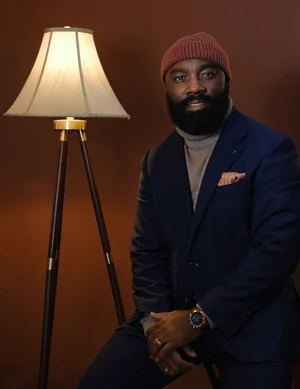
Portraits are generally any photo where a person is the primary and dominant subject in the frame. Whether you look directly into the lens or look off camera, a portrait is more flexible in conveying the message you want to send to your viewers. Portraits can be full-length, three-quarter length (from the midsection up), or even just head and shoulders. There is a difference between a headshot and a head-and-shoulders portrait, and that difference often comes with various expressions, the style of lighting, and the perception and mood of the image.
The End Game
When it comes down to it, what message do you want to send with your pictures? Do you want to project seriousness, approachability, confidence, or a relaxed yet professional and candid approach? If you’re a creative person, are you looking for something artistic that incorporates your work or environment? How about your intended audience? Will your pictures be used on LinkedIn, Facebook, a website, or a billboard? Each of these factors contributes to bringing your vision to life through headshots and portraits. Depending on your objectives, it doesn’t have to be complicated, especially if you aren’t sure exactly what you are trying to say. The good news is, as a photographer, I understand the value of options. My goal is to offer you different looks so that you can determine which images resonate with your goals.